


Cochise County healthcare news CCHCI| A Calling to Rural Medicine
Cochise County healthcare news
Health care in rural communities looks very different than it does in large cities. In places like Cochise County, the distance between a patient and the care they need is often measured not only in miles, but in time, resources, and access to providers.
For physicians who choose to practice in rural areas, the work is more than a profession; it is a calling.
Nate Huffman/AZPM
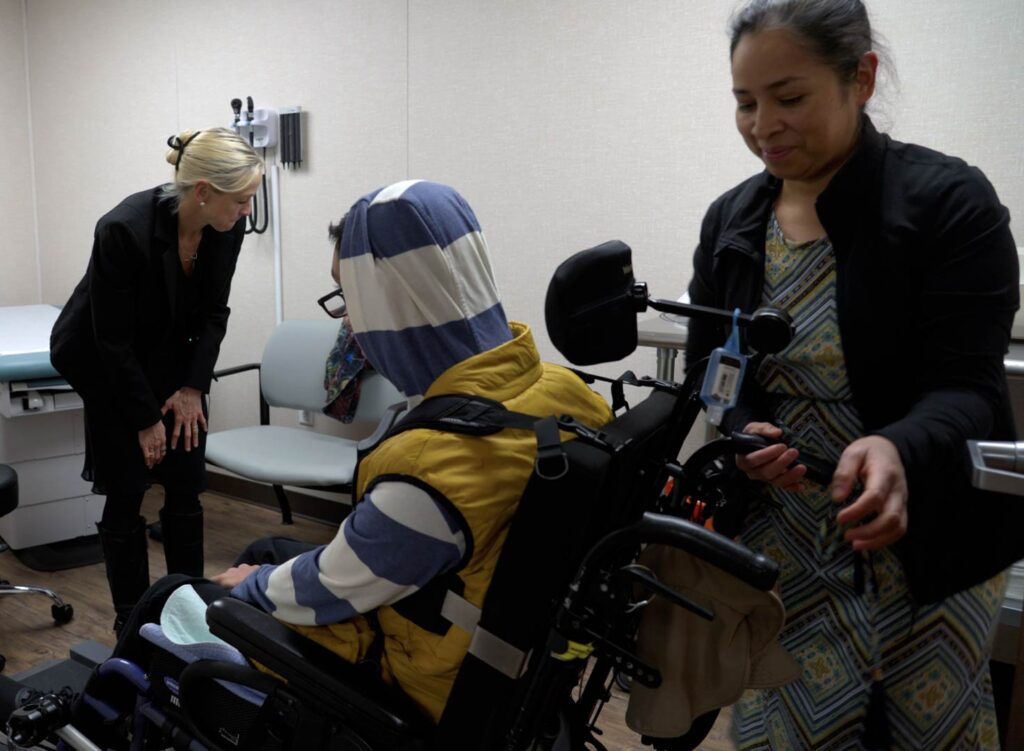
At Chiricahua Community Health Centers, providers see firsthand the challenges that families face when seeking care across a largely rural region. Many communities are spread across long distances, and specialty services are often located hours away. For patients with complex medical needs, even a routine appointment can require careful planning, transportation arrangements, and time away from work or school.
These realities shape how Chiricahua and our rural physicians approach our work.
The Unique Role of Rural Physicians
Rural physicians often serve as more than just a primary care provider. In many of our rural and borderland communities, they become a central part of the health care system, helping patients navigate everything from preventive care to complex medical referrals.
In Cochise County, providers regularly care for patients from communities such as Douglas, Bisbee, Benson, Willcox, and surrounding rural areas. Each community has unique needs, and providers must adapt to ensure that patients receive timely and compassionate care.
Unlike large urban systems where specialists are readily available, rural providers frequently coordinate care across long distances. This can involve helping patients access specialty services, coordinating with hospitals outside the county, and ensuring that patients understand their treatment options.
For many providers, the relationships built with patients and families become one of the most meaningful aspects of practicing medicine in a rural setting.
Nate Huffman/AZPM
Meeting Patients Where They Are
One of the strengths of community health centers like Chiricahua is the planned co-locating of comprehensive services in a single setting. Patients can often access medical care, dental services, behavioral health support, pharmacy services, and care coordination from one of our “primary care campuses” where our prevention specialists co-locate and work together to provide comprehensive whole-person-care.
This integrated approach is especially important in our rural communities, where transportation barriers can make multiple appointments at different locations difficult.
By offering coordinated services close to home, Chiricahua can help reduce the burden on families while improving overall health outcomes.
The Importance of Local Access to Care
Access to local health care is critical for the well-being of rural communities. When services are available nearby, patients are more likely to receive preventive care, manage chronic conditions, and seek treatment early when health concerns arise.
Without local access, patients may delay care until conditions worsen, leading to more serious health complications.
Recognizing the Challenges of Rural Health Care
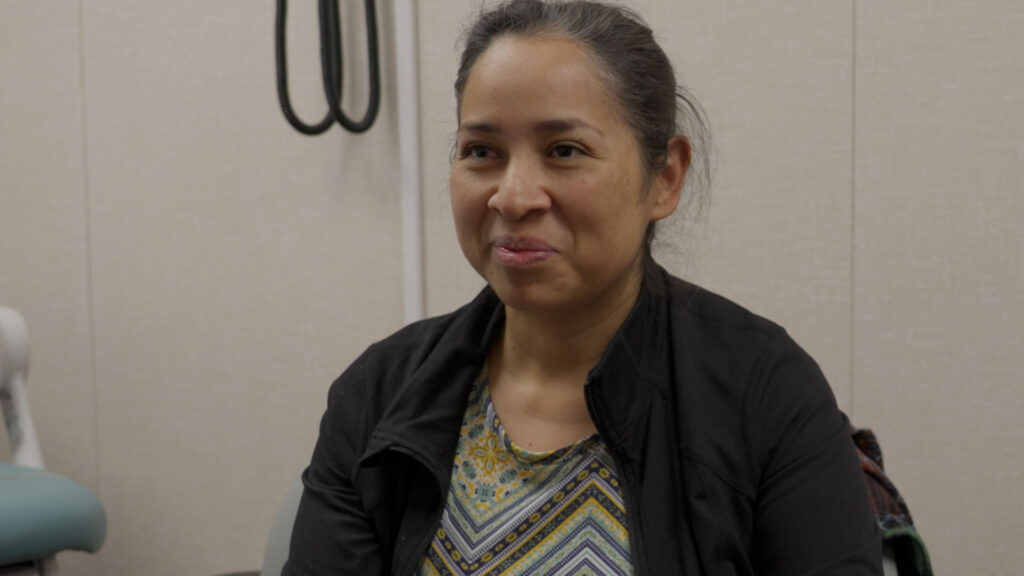
Recently, Arizona Public Media highlighted the realities of rural health care in Cochise County in a feature story exploring the experiences of Dr. Darlene Melk, Chiricahua’s Chief Medical Officer, and a local family navigating access to care.
The articles shed light on the complex challenges that rural communities face and the dedication of health care providers working to serve those communities every day.
We are grateful to Arizona Public Media for helping bring attention to the importance of rural health care and the experiences of patients and providers in our region.
You can read the full story here: Full Story AZPM
A Commitment to Community
At Chiricahua Community Health Centers, our mission has always been rooted in serving the communities of Cochise County with compassion, respect, and high-quality care.
Our providers, nurses, care coordinators, and support staff work every day to ensure that patients across our region receive the care they deserve.
Rural health care comes with unique challenges, but it also brings unique rewards. The opportunity to care for neighbors, support families, and strengthen the health of entire communities is what continues to inspire the work we do.
Together, we remain committed to Health for All, improving access to care and building healthier communities throughout Cochise County.